10040 Daniels Interstate Ct Fort Myers, FL 33913
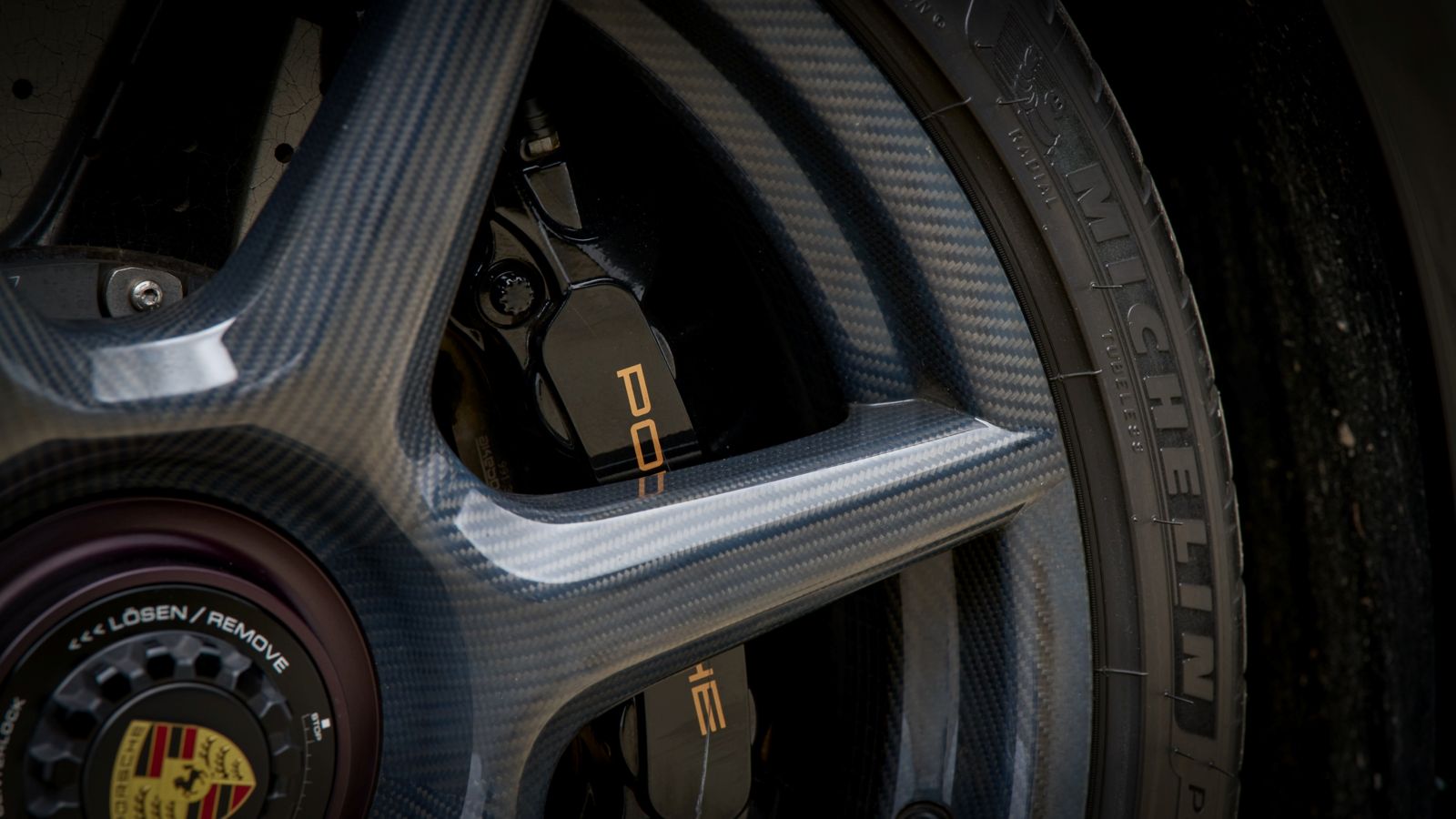
Tires affect steering feel, braking, and wet traction more than anything else you can inspect quickly. In Fort Myers, a tire that is getting worn can feel fine on a dry road and then feel less settled the first time you hit standing water on a heavy-rain day. You might also notice the steering feels less steady on straight roads, or the ride picks up a faint vibration at certain speeds. Those are often tire-related until an inspection says otherwise.
Porsche tires are chosen to match how the car steers, brakes, and stays stable under load, not just to fit the wheel. Two tires can share the same size and still drive very differently. On a Porsche, that difference shows up in steering feel, braking confidence, and how the car stays composed when the road changes.
A big piece of it is construction. Sidewall stiffness, tread design, compound, and load rating all shape how the tire reacts when you turn in, brake hard, or hit a rough patch of pavement. Some setups are also sensitive to small differences between tires, especially when you mix brands or install a tire that is not a good match for how the car is tuned to drive.
If you are not sure what is on the vehicle now, that is normal. The sidewall markings plus a look at wear and condition usually answer the important questions quickly, including whether your Porsche tires are wearing evenly and whether the setup makes sense for your vehicle.
Forget the calendar for a second. Most tire replacement decisions come down to traction, wear, and what you feel through the wheel.
Wet traction is usually the first thing to fade. You can have plenty of normal driving days and then get caught in one of those Florida downpours where the car does not feel as planted as it used to. If the tires are near the end of their usable tread, that is when it shows.
Uneven wear is the other big one. If one shoulder is wearing faster than the rest of the tire, the tread may still look decent from a quick glance, but the tire is not doing its job evenly across the contact patch. That can come from alignment, suspension wear, or impacts.
Pay attention to feel, too. A new vibration that appears at higher speeds, a steering wheel that sits a bit off-center on a straight road, or a car that gently drifts left or right can all be tire-related, or they can be a balance or alignment issue that is chewing up the tires.
Porsche tire service typically includes a tire and wheel inspection, fitment confirmation, mounting and balancing if needed, and guidance on whether alignment should be checked based on wear. A tire visit should be simple. You want to know what shape the tires are in, whether the fitment is correct, and whether something else is causing the wear or vibration you are feeling.
It starts with an inspection of tread depth and wear pattern, plus a look at the sidewalls and the wheel for signs of impact or damage. That inspection matters because it can change the plan. Even wear points toward replacement. Wear on one edge points toward an alignment check. Sidewall damage points toward replacing that tire.
If replacement is needed, fitment is confirmed before anything is mounted. With Porsche tires, matching the correct size and setup is not optional, especially on vehicles with staggered fitment.
Balancing is part of this for a reason. A small imbalance can show up as a vibration that only appears in a narrow speed range. Correct balancing keeps the ride smooth and helps the tires wear evenly.
Price is easiest to understand when you keep it practical. It is not only the tire itself. It is also correct fitment, installation, balancing, and making sure the vehicle leaves driving straight and smooth. If the inspection shows uneven wear, an alignment check may be the piece that keeps the next set of Porsche tires from wearing out early.
One small note that matters here: if you are hearing a new thump or feeling a new vibration after a rough patch of pavement or a pothole hit, have the wheel and tire looked at before you assume it is only tread wear.
Balance and alignment affect vibration, straight-line tracking, and uneven wear, which is why they matter so much for how a Porsche feels. When a Porsche feels off, it is often subtle. Balance and alignment affect the small details you notice every time you drive.
Balancing is about the wheel and tire spinning evenly. When balance is off, the common pattern is a vibration that comes in at speed, then fades as you slow down. It can also show up after a tire repair or replacement if the balance is not dialed in.
Alignment is about how the tires meet the road and how the car tracks. If alignment is off, you might feel a gentle pull, a steering wheel that is not centered, or a car that needs small corrections to stay straight. Over time, misalignment creates uneven wear that shortens tire life and changes braking feel.
Heat can speed up wear and rain exposes low tread fast, especially when you hit standing water during a downpour. Heat and rain change what tires have to handle here.
Heat can accelerate wear, especially if the tread is already getting low. It can also change pressure as the tires warm up during driving. That is normal behavior, but it makes tire condition more important. A tire that is borderline can go from fine to not great faster in hot weather.
Rain is the bigger test. When the rain is heavy and the road has standing water, tread depth and tread design do the work. Worn tires can feel less stable in those moments, and the car can take longer to settle after lane changes or braking.
Staggered fitment limits rotation options and often leads to faster rear wear, which can affect whether you replace tires in pairs or all at once. A lot of Porsche vehicles run staggered fitment, meaning the rear tires are wider than the fronts. That changes rotation options and it often changes how the tires wear.
With staggered fitment, you usually cannot rotate front-to-back. Depending on tread pattern and fitment, even left-to-right may not make sense. The practical result is that rear tires often wear faster than fronts, and replacements are commonly done in pairs by axle.
This is also why the “do I need all four” question comes up. Sometimes two tires is the right move because one axle is worn and the other is still in good shape. Other times, the difference in tread and traction between axles is big enough that the car feels less consistent, especially in the wet. The right call comes from measuring tread depth and looking at wear patterns.
If you are trying to sort out what you are feeling, these patterns usually point you in the right direction.
| What you notice | What it can suggest | Best next step |
|---|---|---|
| Vibration only at highway speed, smooth around town | Balance issue, wheel weight shift, or tire wear pattern | Inspect and balance tires, check for uneven wear |
| Steering wheel slightly off-center after a pothole hit | Alignment change or a wheel issue (varies) | Schedule an alignment check and wheel inspection |
| Inside shoulder wearing faster than the rest of the tread | Alignment or suspension geometry issue | Inspect wear pattern, measure alignment, correct before replacing tires |
| Rear tires wearing noticeably faster than fronts | Staggered setup wear, or setup and driving conditions | Confirm fitment, inspect tread depth, plan replacement by axle if needed |
| One tire losing pressure more often than others | Slow leak, bead issue, or valve problem | Pressure test, inspect tire and wheel, repair or replace if required |
| Light thump for the first few miles after sitting a few days | Temporary flat-spot feel or tire wear pattern | Inspect tire condition, confirm pressures, check whether it persists |
You can check current offers before you schedule. Just keep in mind the specials page for this Porsche Center notes that offers exclude tires, so treat it as a place to look for other service items that might pair with a tire visit. Service Specials
If the car does not feel the way it normally does, Porsche tires are a smart place to start. An inspection can tell you whether you are looking at replacement, balance, alignment, a repair, or a combination.