10040 Daniels Interstate Ct Fort Myers, FL 33913
Describe what you are noticing and when it happens. A hesitation from a stop, a rough shift in traffic, or a warning message are all worth mentioning. That context helps the inspection start in the right place.
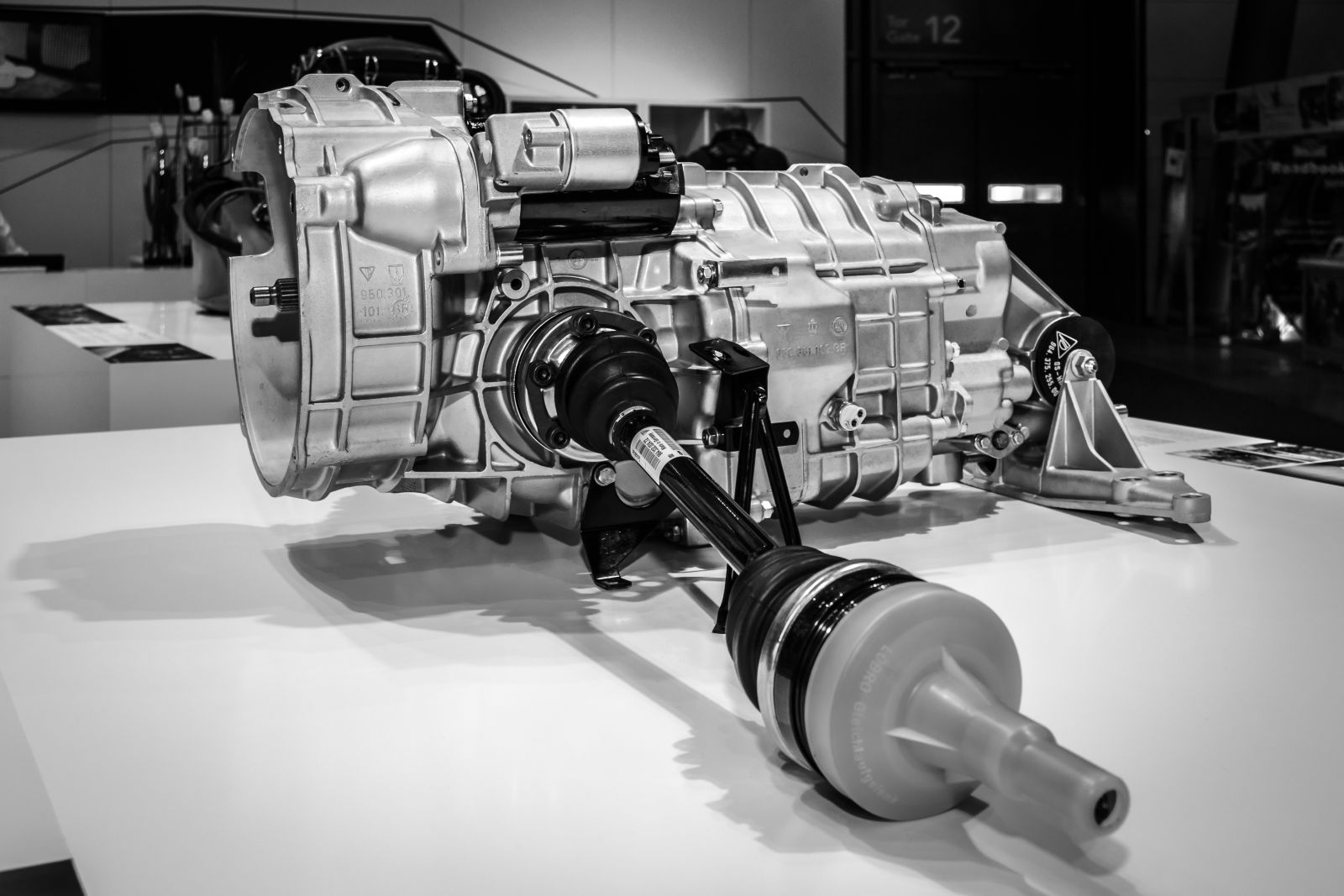
Most Porsche models produced since 2009 come equipped with the PDK, which stands for Porsche Doppelkupplungsgetriebe. It is a dual-clutch transmission that uses two separate clutch packs, one for odd gears and one for even gears, so the next gear is always ready before you need it. The result is shifts that happen faster than a driver can manually execute, with power delivery that stays consistent throughout. It is a big part of what modern Porsches feel like to drive.
Porsche also offers a traditional manual gearbox on certain models, particularly in the 911 and Cayman and Boxster lineup. And some models, including the Cayenne and Panamera, use a conventional torque converter automatic rather than the PDK. Each transmission has its own service needs, and knowing which one your car has is the starting point for any service conversation.
If you are not sure, it is easy to confirm when you book. The service team can look it up by your VIN before you arrive.
The PDK gives you signals before it becomes a serious problem. The most common ones owners describe are: shifts that feel rougher or less crisp than they used to, a hesitation or slight shudder when pulling away from a stop, delayed engagement when you put the car in drive or reverse, or a transmission warning message on the dash. Any of these, especially if they are getting more frequent, are worth addressing.
One pattern worth paying attention to is symptoms that appear after the car has been running for a while but not when it is cold. Heat sensitivity is a known trait of the Porsche PDK, and in Fort Myers that means it can show up more readily in summer conditions or after sitting in traffic on US-41 or Daniels Parkway. If the car shifts fine in the morning but starts feeling off after twenty minutes of driving, mention that specifically when you schedule.
A warning message that clears on its own after a restart is not a reason to ignore it. The fault is typically still stored in the system and will usually come back. Getting it looked at while the symptom is mild is a much better position to be in than waiting until the car limits its own performance to protect the transmission.
PDK service primarily involves replacing the transmission fluid and filter. The PDK uses two separate fluids, one for the gear set and one for the clutch packs, and both need to be in good condition for the transmission to operate the way it should. Over time, those fluids break down and accumulate fine particles from normal wear. Fresh fluid helps protect internal components and keeps shift quality where it belongs.
What makes PDK service different from a standard fluid change on a simpler transmission is the fill procedure. It requires Porsche-specific diagnostic equipment to complete properly. The fluid has to be filled and then bled at a precise temperature using factory diagnostic tools, which is part of why this service belongs at a dealer or a shop with the right equipment, not a general service center.
Porsche lists a fluid change interval for the PDK in the owner’s manual. Many specialists recommend not waiting as long as the published interval, particularly for cars that see stop-and-go driving, high heat, or occasional track use. The right timing for your car is worth discussing with the service team based on how you actually drive it.
If you are not sure what you are experiencing, describing it when you book is enough. The team can help figure out the right starting point from there.
Porsche PDK issues tend to be less expensive to address early. Schedule when you are ready and include a note about what you have noticed.
The Porsche PDK is not a transmission you can service with general shop equipment. The fill procedure requires factory diagnostic tools to monitor fluid temperature and complete a proper bleed of the system. Without that step, the service is not done correctly regardless of how the fluid change itself goes.
Beyond fluid service, any diagnostic work on the PDK requires Porsche-specific software to read the fault codes stored in the transmission control unit. Generic scan tools do not access the full picture. That matters when symptoms are intermittent or when a warning message cleared on its own, because the fault data is still there and needs to be read properly to know what it is pointing to.
Porsche-trained technicians at Porsche Fort Myers work with the equipment and software the transmission was designed to be serviced with. For a system this integrated into how the car drives, that is not a small detail.
If something feels different in how your Porsche shifts, or if the PDK has not been serviced in a while, scheduling a visit is the practical next step. Describe what you are noticing when you book and the team can point the inspection in the right direction from there.
When you are ready, schedule online or check current service specials first. Either way, include a short note about your car and what you have been experiencing.
Pick a time and add a short note about what you have noticed. The sooner a transmission issue is looked at, the more options there usually are.